









How News Sources Portray Russia Sanctions Policy
This chart shows how major news sources across the ideological spectrum frame russia sanctions policy, from left to right-leaning perspectives.

Sanctions are political or economic restrictions enacted by one organization or country against another. Beginning in 2014 and continuing through today, the United States and other nations have enacted sanctions against Russia for its ongoing war against Ukraine, a conflict that has resulted in at least 1 million casualties as of September 2024.
In early 2014, President Vladimir Putin ordered the invasion and annexation of Crimea, a region of Ukraine. In response to these moves, the United States, European Union, and numerous other nations introduced the toughest foreign policy sanctions against Russia since the fall of the Soviet Union in 1991.
Prominent Russian individuals who organized the invasion were subject to travel bans and saw their assets frozen. Eventually, the scope of sanctions expanded to include Russian energy companies and banks as well. These moves strongly affected international free trade.
These sanctions, meant to punish Russia’s aggression and prevent future conflicts, failed to deter the country. On February 24, 2022, after a build-up of troops and military equipment along the Russian-Ukraine border for several months, President Vladimir Putin announced a “special military operation” marking Russia’s invasion of Ukraine. A war, initially expected to be short-lived and victorious for Russia, has since devolved into a multi-year conflict as nations around the world supply assistance to both sides.
Following the invasion, sanctions expanded significantly in scope. Both South Korea and Taiwan, nations previously reluctant to enact sanctions, did so. Singapore became the first Southeast Asia nation to engage as well, an almost unprecedented act. Russia became the most sanctioned nation in the world by more than 30 countries making up more than 50% of the global economy.
The renewed sanctions following the war also dramatically increased in severity. Wide-ranging sanctions targeted banks, businesses, exports, and imports. The effects of these sanctions hurt Russia significantly. Russia’s currency, the ruble, as well as their oil and gas revenue collapsed in the months that followed.
Many European Union nations were initially skeptical about levying sanctions against Russia at the beginning, though their position later shifted. Across Latin America, Africa, and the Middle East, however, few nations have imposed sanctions against Russia. The reluctance to do so appears tied to fears of retaliation, a commitment to neutrality, or complex relations with Russia throughout history.
The Democratic Stance/Response on Russia Sanctions
The Democratic Party has a strong policy stance on Russian sanctions. In an October 2025 Harvard/Harris X poll, 77% of Americans strongly backed international involvement and were in favor of additional sanctions against Russia, including 71% of Democratic voters. In an April 2025 Pew Research Center poll, 85% of Americans viewed Russia unfavorably, including 89% of Democrats. In addition, large majorities of Democrats continue to view Russia as an enemy of the United States rather than a competitor or partner.
In 2014, President Barack Obama led the initial charge of sanctions against Russia following the annexation of Crimea. According to then-Vice President Joe Biden, the United States was forced to strongly advocate against European skepticism of sanctions. Many European countries were concerned about the economic cost of joining in the effort at the time.
Joe Biden later assumed the presidency and presided over the Russia invasion of Ukraine. Even during the initial annexation of Crimea, Biden long favored a tougher approach to Russia compared to Obama for fears that they would expand the conflict deeper into Ukraine and eventually Europe. Similarly, the Biden administration was forced to confront European skepticism when fears of the conflict first became realized, and they led the charge for post-invasion sanctions.
Politicians Who Support Russia Sanctions
71% of Democratic voters were in favor of additional sanctions against Russia.
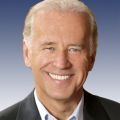
Joe Biden
“Putin is the aggressor. Putin chose this war. And now he and his country will bear the consequences. Today, I'm authorizing additional strong sanctions and new limitations on what can be exported to Russia. This is going to impose severe costs on the Russian economy, both immediately and over time. We have purposefully designed these sanctions to maximize the long-term impact on Russia and to minimize the impact on the United States and our Allies.”
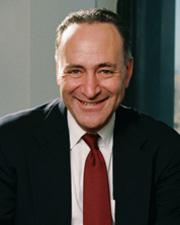
Charles E. Schumer
“Instead of aiming to limit that Russian windfall, Treasury helped the Kremlin and its evasion network increase their profits... It is incumbent on the Trump Administration to reverse this dangerous policy, ensure that Russia does not reap any additional benefit and prevent the United States from further boosting Putin's war machine.”
The Republican Stance/Response on Russia Sanctions
The Republican Party also strongly favors Russian sanctions. In an October 2025 Harvard/Harris X poll, support for additional sanctions is almost universal among Republican voters, at 86%. In an April 2025 Pew Research Center poll, 83% of Republican voters viewed Russia unfavorably. However, relative to Democrats, Republicans are more likely to view Russia as a competitor rather than an enemy. A majority only viewed Russia an enemy during 2022, 2023, and 2024, not in 2025 or prior to the invasion. Source: Pew Research
From 2017 to 2019, President Donald Trump’s administration enacted sanctions against Russia for its involvement in Ukraine and Syria, its interference in the 2016 United States election, and its poisoning of a Russian double agent. Since his return to office in 2025, President Trump has not revoked any pre-existing sanctions on Russia, but he has not joined other European countries in enacting new sanctions either.
In the first few months of his second term, President Trump and members of his administration sought to enact a peace plan between Ukraine and Russia. However, progress toward the end of the war has been limited. As a result, he has signaled a willingness to enact new sanctions soon.
Politicians Who Support Russia Sanctions
Support for additional Russian sanctions is almost universal among Republican voters, at 86%.
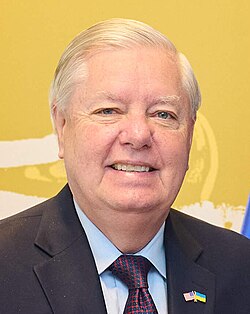
Lindsey Graham
“This bill will allow President Trump to punish those countries who buy cheap Russian oil fueling Putin's war machine. This bill would give President Trump tremendous leverage against countries like China, India and Brazil to incentivize them to stop buying the cheap Russian oil that provides the financing for Putin's bloodbath against Ukraine.”
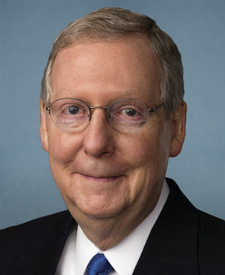
Mitch McConnell
“Russia's aggressive ambitions threaten the core interests of the United States, NATO, and the West... For its part, Congress would support truly devastating sanctions against the Kremlin and its enablers. ... America must lead the response from all freedom-loving nations.”
Political Implications
Russia sanctions carry major political implications because they combine foreign policy, national security, energy markets, and America’s role in the international order. Unlike many other issues on the partisan landscape, sanctions on Russia have drawn broad support from both parties, though often with different underlying emphases. According to the figures cited on this Biasly page, 71% of Democratic voters favor additional sanctions on Russia, while 86% of Republican voters support additional sanctions. That bipartisan support suggests that opposition to Russian aggression remains one of the relatively rare areas of overlap between the parties.
Even so, the politics of sanctions are not identical across party lines. For Democrats, support for sanctions tends to align with a broader emphasis on defending democratic allies, punishing violations of international law, and coordinating with U.S. partners abroad. For Republicans, support often reflects a national-security and strength-based posture, though some Republican leaders are more likely than Democrats to frame Russia as a geopolitical competitor rather than an outright enemy. These differences affect how each party talks about sanctions — whether as part of a multilateral defense of the international system or as a tool of leverage within a harder-edged strategic negotiation.
The issue also has domestic political consequences because sanctions can intersect with inflation, fuel prices, military aid, and voter fatigue over foreign entanglements. As a result, support for sanctions may remain broad in principle while still becoming entangled in debates over how long the U.S. should sustain pressure, how much economic cost Americans should bear, and how sanctions fit into the broader strategy toward Ukraine and Russia.
What the Future Holds
The future of Russia sanctions will likely depend on the course of the war in Ukraine, the willingness of Western allies to maintain coordinated pressure, and whether U.S. leaders continue to view sanctions as an effective long-term tool of deterrence. Public opinion remains strongly anti-Russia: according to the figures cited on this Biasly page, 85% of Americans viewed Russia unfavorably in a 2025 Pew poll. That broad hostility suggests there is still a strong political foundation for maintaining or expanding sanctions if Russia’s conduct continues to be viewed as aggressive or destabilizing.
For Democrats, the future likely involves continued support for sanctions as part of a broader alliance-based response to Russian military aggression and violations of international norms. For Republicans, the future may continue to include strong support for sanctions, but with greater emphasis on using them as leverage within a broader strategic settlement rather than treating them solely as an open-ended punishment regime. If negotiations, battlefield developments, or economic pressures shift, Republicans and Democrats may begin to diverge more clearly on how long sanctions should remain in place and what conditions would justify changing course.
More broadly, Russia sanctions are likely to remain a central feature of U.S. foreign policy as long as the war in Ukraine, Russian regional ambitions, and tensions with the West continue. The next phase of the debate may focus less on whether sanctions are justified and more on whether they are achieving their intended goals, how they affect global markets, and what end-state American policymakers are ultimately trying to produce.
