









How News Sources Portray World Health Organization Policy
This chart shows how major news sources across the ideological spectrum frame world health organization policy, from left to right-leaning perspectives.











In contemporary politics, many topics are becoming increasingly polarizing and highly partisan, one of which is the United States’ contribution to the World Health Organization. News sites often have biased news towards one side, which unfairly covers important topics. Policy stances on the World Health Organization and U.S. health policies tend to be biased and highly partisan, and are a subject for debate when candidates are running for top office.
The World Health Organization, known as WHO, is a specialized United Nations agency that connects nations and communities to promote health and ensure global well-being. Its main goal is to provide equal health opportunities to everyone, everywhere (i.e., expanding universal healthcare coverage).
World Health Organization Policies
The WHO has seven main policies listed on its website:
- Disability
- Ethics
- Multilingualism
- Preventing sexual exploitation
- Privacy
- Publishing
- Sustainability
For example, the WHO Office of Compliance, Risk Management, and Ethics (CRE) encourages transparency and management of corporate-level risk and promotes ethical principles from the international civil service standards. The CRE provides confidential ethics advice, promotes ethics awareness and standards, and more. The WHO also prioritizes environmental sustainability and aligns with the UN 2020-2030 Strategy for sustainable management. The WHO has its own Environmental Management Procedures (EMP) to handle its internal environmental due diligence practices and promote energy-efficient practices.
The WHO has recently placed its focus on widespread disease, mainly because of the emergence of the COVID-19 pandemic. They’re working on the Zika epidemic, the spread of communicable diseases (such as HIV, malaria, Ebola, and tuberculosis), and chronic diseases (such as diabetes, heart disease, and cancer). They seek to unite countries to confront the largest health challenges.
Current U.S. Health Policies
From 2020 to the present, U.S policies on healthcare have changed a great deal, partly because of the dramatic changes in the presidency and the vast differences between the two presidents, and partly because of the COVID-19 pandemic. The pandemic required legislators and policymakers to alter and improve health care access. Telemedicine and telehealth have greatly expanded, which has helped rural and underserved communities.
To administer more COVID-19 vaccines at a faster pace, the government formed a partnership between the national Department of Health and Human Services and the Department of Defence, called Operation Warp Speed (OWS). OWS helped study the safety of the vaccine and mitigated vaccine manufacturing challenges (including cost and distribution). Data shows that only 7.7% of the U.S. population is uninsured as of 2023, compared to 13% in 1987.
The U.S. withdrew from the WHO in January 2025, as directed by one of President Trump’s executive orders. President Trump signed another executive order removing recognition of the concept of gender identity and defining sex as a biological classification.
U.S.-World Health Organization Relations
The World Health Organization’s politics are quite confounding and are largely a partisan issue. The U.S. government has financially and technically supported the WHO for most of its history, even being one of the leading contributors to the agency. However, in April 2020, President Trump announced that the federal government would suspend funding to the World Health Organization in response to the WHO’s response and handling of COVID-19. Trump claimed that the WHO mishandled the pandemic, and in May 2020, he stated that the U.S. would terminate its relationship with the WHO and contribute funds elsewhere.
The suspension of funds and termination of relations were overturned by former President Joe Biden in 2021. However, an executive order signed by President Trump in 2025 stated that the U.S. would no longer participate in pandemic agreement negotiations, and another executive order states that the U.S. would withdraw from the WHO, effective January 2025.
Polling showed that nearly one-quarter of Americans believe that the WHO has done a poor job of dealing with COVID-19. 62% of Democrats believe that the WHO had done an excellent or good job of handling the pandemic, while only 28% of Republicans believe the same. Additionally, 80% of Democrats trust information about COVID-19 from the WHO, whereas only 36% of Republicans do.
Most international countries view the WHO as beneficial concerning the pandemic, with some countries having more positive views than others. Denmark (74%) and Sweden (73%) are among the top supporters of the WHO, saying that they have done a good job dealing with the COVID-19 outbreak; however, South Korea (19%) and Japan (24%) were the greatest opponents of the WHO.
Health Policy Challenges
Cost, access, and quality are three of the largest and most traditional challenges when it comes to health policies. In countries without universal healthcare, for example, people pay for the services they require, which vary based on their coverage. If they lack insurance because they can’t afford it, they pay significantly more than those who can afford insurance. Even then, paying for health services can cost quite a bit, even with insurance.
Systematic barriers greatly affect healthcare accessibility. Medical providers may be less available or plentiful in one location than in another. Larger and more affluent cities or neighborhoods, for example, may have increased access to better healthcare than those in smaller and less affluent cities. Larger cities have a higher number of doctors compared to smaller cities, which affects availability. The quality of care could also be affected in this sense – smaller cities may have worse quality of doctors or care, as fewer doctors apply for clinics in smaller cities. Furthermore, many Americans, especially those who have been marginalized, have less trust and confidence in the healthcare system, which may lead to delaying or avoiding necessary care.
Public Health Policy Strategies
There are many public health policy strategies that the government can enact and practice to benefit the public’s well-being. Most of these strategies revolve around increasing the public’s awareness and knowledge of different products. These practices allow the public to understand the dangers and consequences of their actions, or lack thereof. They’re meant to promote good health and to improve the well-being of the general population.
Examples of public health policies include vaccination mandates for schools to prevent the spread of preventable diseases, restrictions and warnings concerning smoking and tobacco use, the presence of nutrition facts from the FDA, etc. Another public health policy is the Affordable Care Act, which seeks to make healthcare more affordable, expand Medicaid, and improve the quality of healthcare. Additionally, the WHO is a major organization that advocates for and develops several public health policies.
The Future of U.S. Healthcare
Within the past few months, the Trump Administration has cut funding and staff several federal public health programs, including HHS, CDC, FDA, NIH, and more. Newly appointed Secretary of Health and Human Services, Robert F. Kennedy Jr., is skeptical about vaccines and strongly disagrees with vaccine mandates. He claims that no vaccine is entirely safe and contends that public health programs need to be more transparent with their vaccines. Kennedy has assured the public, however, that those who want vaccines are still able to do so.
To learn more about biases and party affiliation, visit www.biasly.com. Biasly also offers a Premium Membership for an in-depth analysis of current news and access to bias analytics, discussions, and more.
Democratic Stance on the World Health Organization
Democrats generally support continued U.S. engagement with the World Health Organization because they see global health as an issue that requires international cooperation. They are more likely than Republicans to trust the WHO’s expertise, especially during public-health emergencies like pandemics, and to view it as an important institution for coordinating disease surveillance, vaccine distribution, health guidance, and emergency response. This position fits with a broader Democratic preference for multilateralism, expert-led policymaking, and cooperation through international organizations.
Democrats also tend to oppose efforts to withdraw the United States from the WHO, such as the Trump administration’s attempted withdrawal during the COVID-19 pandemic. They generally argue that leaving the WHO would weaken U.S. influence, reduce global preparedness, and make it harder to respond to cross-border health threats. In short, the Democratic stance is usually that the WHO may need reforms, but the United States should remain involved, help lead it, and work with other countries to improve global public health.
Politicians Who Support World Health Organization
62% of Democrats believe that the WHO had done an excellent or good job of handling the pandemic.
Joe Biden
“The WHO plays a crucial role in the world's fight against the deadly COVID-19 pandemic as well as countless other threats to global health and health security. The United States will continue to be a full participant and a global leader in confronting such threats and advancing global health and health security.”
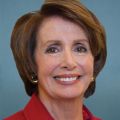
Nancy Pelosi
“Halting funding for the World Health Organization as it leads the global fight against the coronavirus pandemic is senseless... We can only be successful in defeating this global pandemic through a coordinated international response with respect for science and data. But sadly, as he has since Day One, the President is ignoring global health experts, disregarding science and rejecting the heroes fighting on the frontline.”
Republican Stance on the World Health Organization
Republicans generally take a more skeptical stance toward the World Health Organization than Democrats, especially after the COVID-19 pandemic. Many Republicans argue that the WHO is too influenced by international politics, not accountable enough to U.S. taxpayers, and too slow or ineffective in responding to health crises. They also tend to prioritize American sovereignty and prefer that the United States maintain control over its own health policies, funding decisions, and pandemic responses rather than relying heavily on an international organization.
Republicans are also more likely to question whether the U.S. spends too much on global health programs and whether that money is used effectively. While many Republicans still support efforts to prevent diseases from spreading internationally, they often believe those efforts should be handled through stricter oversight, direct U.S. action, or reformed international partnerships rather than expanded WHO authority. In short, the Republican stance is usually not opposition to global health itself, but opposition to what they see as inefficient, politically biased, or unaccountable global governance.
Politicians Who Oppose World Health Organization
28% of Republicans believe that the WHO had done an excellent or good job of handling the pandemic.
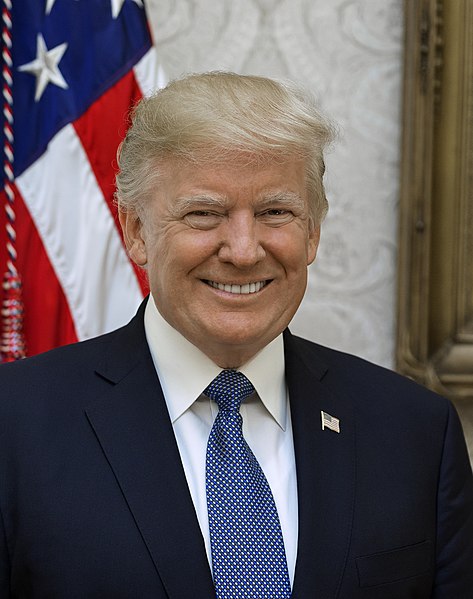
Donald Trump
“Today I am instructing my administration to halt funding of the World Health Organization while a review is conducted to assess the World Health Organization's role in severely mismanaging and covering up the spread of the coronavirus... The WHO failed in this basic duty and must be held accountable.”
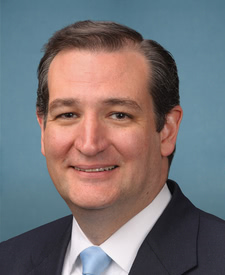
Ted Cruz
“The World Health Organization can no longer be trusted. It had an obligation to warn the world about the coronavirus. Instead, the organization helped the Chinese Communist Party cover it up... By consistently bending to the Chinese Communist Party, from downplaying the severity of the [coronavirus] to systematically excluding Taiwan, [the organization] has lost the credibility necessary to be effective.”
Political Implications
The World Health Organization has become a partisan issue in the United States because it sits at the intersection of public health, international cooperation, and national sovereignty. Public opinion reflects a sharp divide: 62% of Democrats believe the WHO did an excellent or good job handling the pandemic, compared with 28% of Republicans, and 80% of Democrats say they trust COVID-19 information from the WHO, compared with 36% of Republicans, according to polling figures cited on this Biasly page. Those gaps help explain why the WHO is viewed so differently by each party.
For Democrats, support for the WHO aligns with a broader belief that global health threats require international coordination, scientific cooperation, and continued U.S. participation in multilateral institutions. For Republicans, skepticism toward the WHO fits more naturally with concerns about accountability, institutional bias, and the risk of allowing international organizations to shape domestic policy choices. As a result, the WHO debate has become about more than one health agency; it reflects broader disagreements over whether the U.S. should lead through international institutions or rely more heavily on independent national decision-making.
The issue also carries implications for how each party approaches future pandemics, vaccine communication, emergency response, and America’s role in global governance. Decisions about WHO funding and participation can influence diplomatic relationships, public trust in health institutions, and the perceived legitimacy of international guidance during crises.
What the Future Holds
The future of U.S. policy toward the World Health Organization will likely depend on which vision of public health governance prevails: one centered on international engagement or one centered on national autonomy. The sharp divide in trust and approval between Democrats and Republicans suggests that U.S. participation in the WHO may continue to shift with changes in presidential administration and broader public attitudes toward international institutions. Debates over funding, treaty negotiations, pandemic preparedness, and the credibility of global health guidance are therefore likely to remain politically salient.
For Democrats, the future likely involves continued support for active U.S. participation in the WHO as part of a broader strategy of global disease surveillance, international preparedness, and science-based coordination. For Republicans, the future may involve continued pressure to reduce U.S. dependence on the organization, impose stricter oversight, or withdraw support when the WHO is perceived as ineffective or politically compromised. Because health emergencies do not stop at national borders, these disagreements will likely remain important whenever new infectious disease threats emerge.
More broadly, the long-term debate over the WHO is likely to shape how Americans think about trust in experts, the balance between sovereignty and cooperation, and the role of global institutions in domestic crisis response. Whether the United States deepens its participation or continues to question the organization’s value, the WHO will remain a significant reference point in future debates over public health policy and international leadership.
